I am learning that if one speaks truthfully about one’s trauma and loss, it is possible to encounter healing. When living with purpose, restoration can be experienced. Helping others generates fulfillment. I’m focused on healing myself by sharing my story. Many who have joined me have been or are right where I am. Many haven’t a clue. Half the world will one day walk this journey. Knowing my words just might bring a little hope, peace, and encouragement to others sparks healing, restoration, and fulfillment. So, grab a coffee and sit a while with me.
Thanks for joining me,
Sonya Claire Milam, ADVENT 2024
Making Do While God Makes My Way
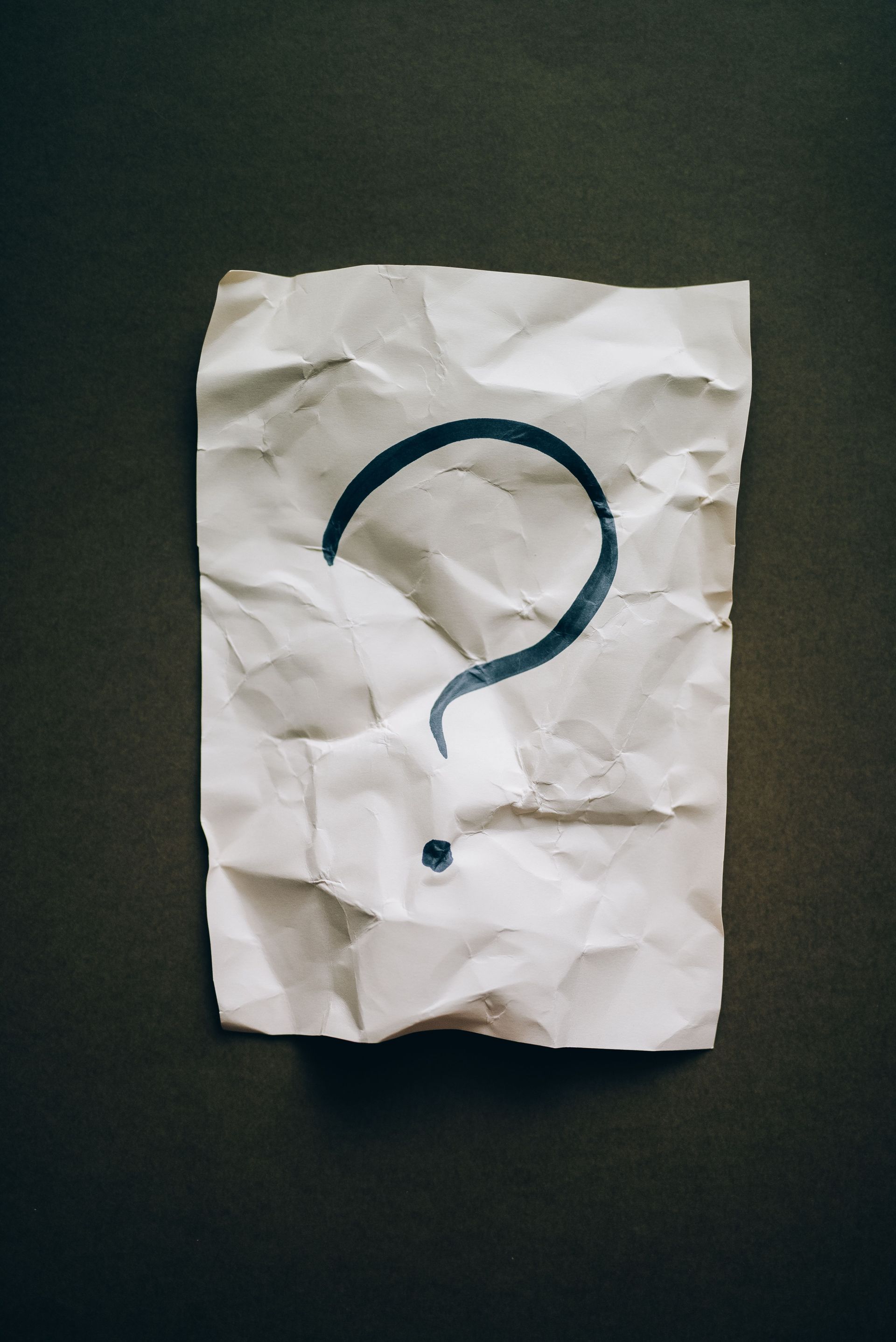
Unknowing. IDK. Hopeful Uncertainties For the adult years of my 60 years I've thought wisdom meant having the answers. Study harder. Learn more. Figure it out. Be the expert. Our world applauds certainty. We admire people who know. But the older I get, the more I’m certain that real wisdom begins somewhere entirely different. Maybe wisdom begins with unknowing. Grief has a way of dismantling certainty. It taught me that tomorrow isn’t certain , that plans are fragile, and that control is an illusion. It strips away assumptions I didn’t even realize I was carrying. It has certainly done that for me. Grief aged me. Not simply because the years have passed, but because loss changed the landscape of my life slab dab in the middle of uncertainties . It has weathered my body , softened my heart, and untangled so much of who I thought I had to be. Ironically, I think it has also remade me. These days, I’m less interested in having the right answers and more interested in asking better questions. Less interested in fixing someone’s pain than sitting quietly beside it. Less interested in performing strength than practicing presence. I’ve discovered that wisdom doesn’t always arrive with certainty. Sometimes it arrives as curiosity. Sometimes as compassion. Sometimes as silence. And sometimes, I think, wisdom looks a lot like being willing to say, “I don’t know.” Or, as I say it these days: IDK. And you know what? IDK is surprisingly liberating. It’s a thought. A feeling. A verbal declaration. Sometimes even a perfectly reasonable reaction to this strange, beautiful, unpredictable world we inhabit as uncertain humans. IDK. what tomorrow holds how my story will end. I don’t know why some things happen - - why some people stay, why others leave, why some of the hardest chapters find their way into lives that seemed to be going just fine. I don’t know. And maybe I don’t have to. Because there is a difference between uncertainty and hopelessness. I’m beginning to embrace what I think of as hopeful uncertainty—the willingness to step into what I cannot yet see while still believing there may be something beautiful awaiting me. I wander as I wonder. I wonder as I wander. And maybe there is more freedom in that than I once understood. Perhaps growing older isn’t about accumulating more knowledge. Perhaps it’s about slowly laying down everything I thought I knew until what remains is humility… Presence… Grace… and enough curiosity to keep me wandering. At sixty, I don’t have the neatly mapped-out future I once imagined and foolishly tried to create. And for perhaps the first time, I’m okay with that. I don’t need to know exactly where the road leads. I just want to be awake enough to notice. Open enough to be surprised. Brave enough to keep walking. Hopeful enough to wonder what might be around the next bend. And yet, in the middle of all this uncertainty, there are some things I do know. I know God’s love is certain. I know God's care is certain. I know God's promises are certain, even when my circumstances are not. I may not know what tomorrow holds, but I know Who holds tomorrow. I may not understand every turn in the road, but I don’t have to walk it alone. So perhaps “IDK” isn’t a declaration of defeat. Maybe it’s an invitation to trust. I don’t know. But God does. And somehow, that’s enough. As I step into whatever years God grants me next, I want to honor my beautiful, brave, and brilliant Bob not simply by remembering what I’ve lost, but by living out what I’ve learned. If grief has taught me anything, it’s this: The goal isn’t to become the person I was before loss. The goal is to become someone who loves more deeply, notices more carefully, laughs more freely, and lives more gratefully because of it. Maybe that’s wisdom. Maybe wisdom isn’t knowing. Maybe wisdom is knowing that I don’t know—and choosing to wander, wonder, and live fully anyway. With hope. With grace. With faith. With a little holy curiosity about what comes next. May it be, Lord. May it be.
As my sixtieth birthday approaches, I’ve been thinking about the dash. Not the one that will someday appear between 1966 and whatever year follows my name, but the countless dashes we live through. Those dashes hold far more than birthdays. They hold the lives we’ve lived. The people we’ve loved. The dreams we’ve chased. The losses we’ve endured. When we think of grief, we usually think of death. But grief is so much bigger than funerals. It’s the death of who we used to be. The passing of time. The relationship we thought would last forever. The career that ended. The dream that quietly slipped away. The healthy body that changed. The certainty we once carried. Every one of those endings deserves to be grieved. Yet so many of them go unnoticed because they don’t come with casseroles, sympathy cards, or memorial services. Grief often whispers. It doesn’t always announce itself with tears. Sometimes it shows up as fatigue. Sometimes as irritability. Sometimes as longing. Sometimes as silence. Looking back over nearly sixty years, I realize I’ve experienced many deaths while still very much alive. Some I welcomed. Some nearly broke me. All of them changed me. Perhaps that’s what the dash really represents. Not simply the years between birth and death, but the countless endings and beginnings that quietly shape who we become. Maybe the measure of a life isn’t found in the dates engraved on a stone. Maybe it’s found in how faithfully we lived the space between them.
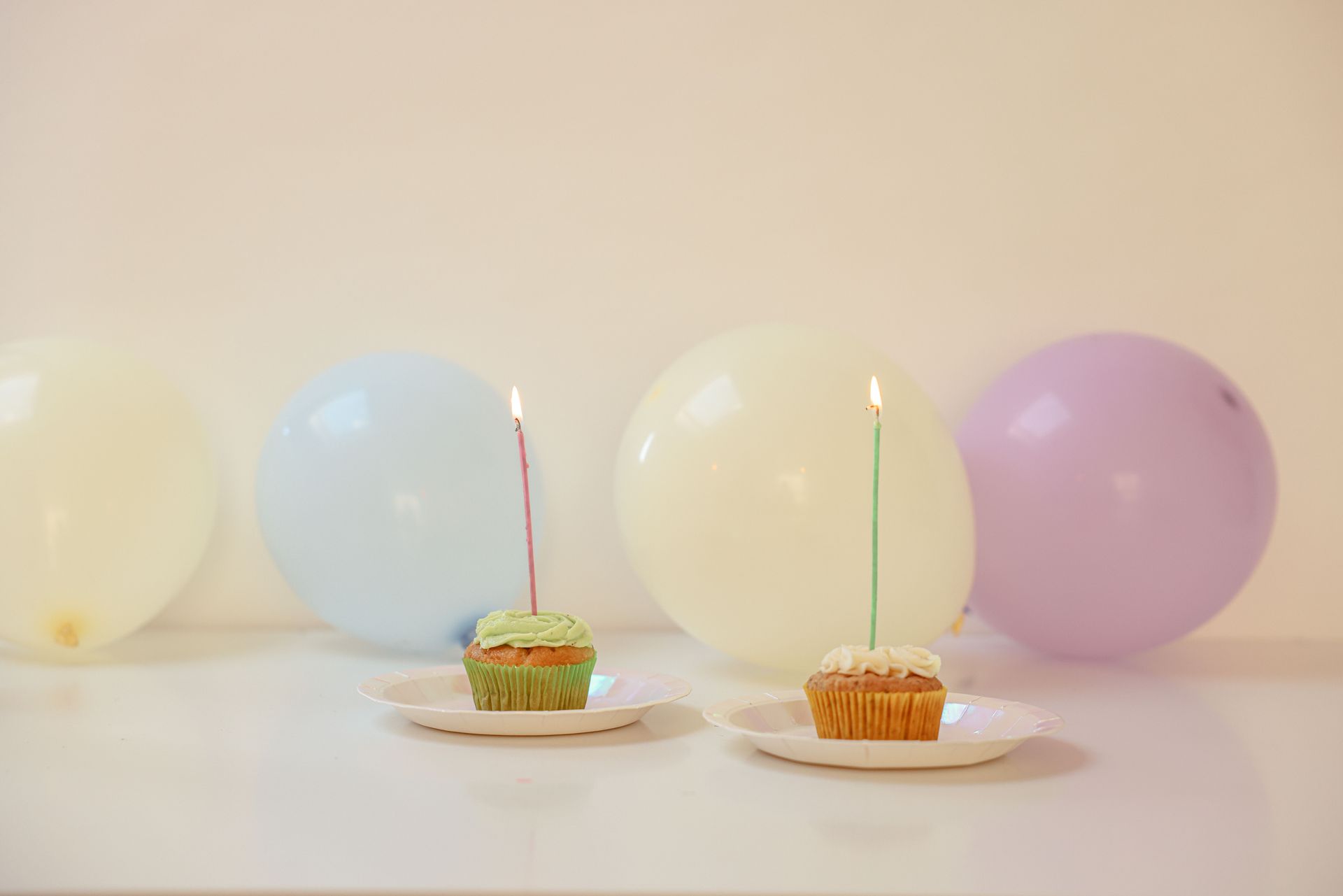
It's been said, "Sixty is Nifty"! I'll be putting this to the test in just a little over a week. Since my grief journey began 5 years ago celebrating birthdays, New Year’s Eve, even my graduation in 2022 felt like luxuries I couldn’t emotionally—or financially—afford. It became easier to let those days pass like any other. This is what felt safest. But this year feels different. I'm so ready to celebrate the gift of life. The beauty of serving others . Maybe because I’m different. Older, but wiser. Bruised, but healing. Wounded, but still carrying on. I’m beginning to think celebrating isn’t about having the life I expected. Maybe it’s about honoring the life I have. It’s about looking back at every impossible season and quietly saying, “I did that.” “I survived that.” “And I’m still here.” And maybe a little holy irreverence, too. When life insists on throwing ugly punches, perhaps the best response is to meet them with beauty—and, whenever possible, a healthy sense of humor. There is such freedom in this! This different-than-planned life has taught me more than the life I once imagined ever could. It’s teaching me to show up despite heartache, choose presence over perfection, and live with fewer regrets and less worry. Maybe that’s the real gift of sixty. Not finally having life figured out… But finally learning to simply be.. So here I am! This is me. Almost Sixty. Surprised to still be standing. Grateful that I am. Ready to make new memories. This isn’t exactly the life I dreamed of, planned for, or worked toward. Somehow, it’s become the life that has shaped me and I'm grateful for every beautiful, brutal, and brutiful moment . There is such freedom in that part of it all!! So, this week, this month, this year. I'm gonna create a little nifty
Reviews & Questions for the Author